
What Are the Production Processes and Types of Fillings for Plush Toys?
The fabric texture of plush toys is a critical factor. Many plush items suffer from unsatisfactory hand feel‑hard fur and uncomfortable fabrics, which make them hard to stand out in the marketplace. Fur shedding is another common pain point. Poor‑quality fur or insecure fur fixation will easily lead to shedding, issues that plush toy manufacturers must prevent. Below we introduce the production workflow and filling materials for plush toys.
Production Process for Plush Toys
1. Contact the plush toy manufacturer by phone or email and share reference images to verify production feasibility. If feasible, the factory will offer a quotation according to your material requirements.
2. In‑house designers develop sample patterns from design drafts, calculate material consumption per unit, and produce a toy prototype.
3. Mass production starts after the client approves the prototype.
4. Based on confirmed samples from the design team, the workshop makes cutting molds and prepares raw materials.
5. Incoming materials go through inspection, then are cut manually or by pressing machine.
6. Sewing operators stitch toy bodies, attach woven labels and fit accessories. Random in‑line inspections are carried out to ensure the sewn shell matches the approved sample once filled with PP cotton.
7. Fit components including noses, eyes and joints. For certain styles, embroidery is finished prior to sewing.
8. Fill toys with specified stuffing. Measured PP cotton is blown into products via compressed‑air equipment.
9. Hand‑stitch the stuffing opening, shape the finished toy, and remove loose fibers with a high‑pressure air pump.
10. Fit hang tags, trim loose threads, and groom fur, with special attention to areas around eyes, nose and mouth.
11. Complete finished‑product inspection and metal detection.
12. Pack goods strictly following customer‑specified requirements.
Types of Plush Toy Fillings
1. PP Cotton
Also called doll cotton or stuffing cotton, it is made from recycled polyester staple fibers. This widely‑used synthetic fiber comes in regular and hollow grades. PP cotton features high elasticity, fluffy softness, smooth hand feel, cost‑efficiency and good heat retention. As the dominant filling for plush dolls, it is widely adopted by plush toy factories.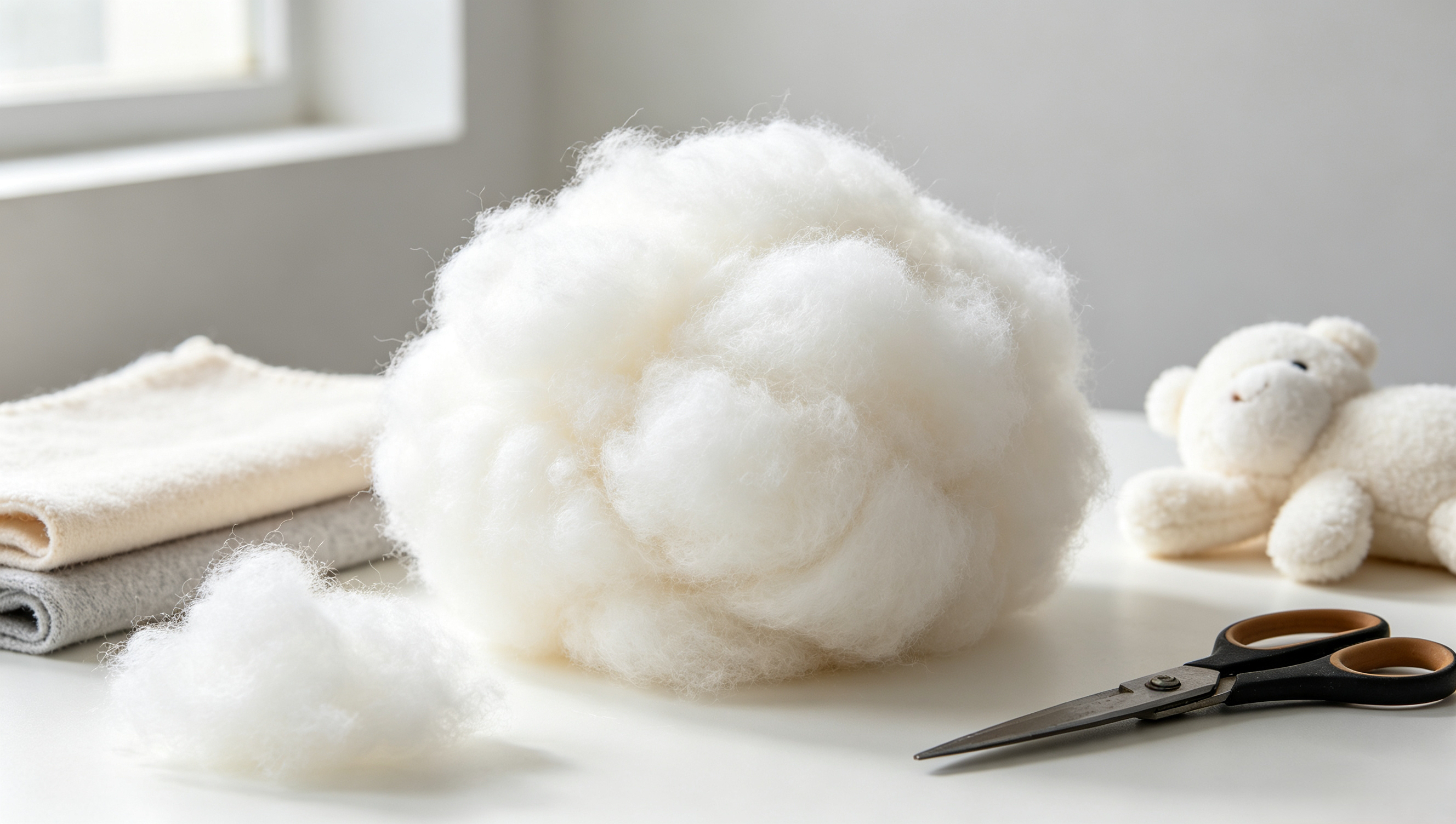
2. Washed Cotton
Made of specially‑treated cotton fabric, washed cotton delivers enhanced softness, muted tones and subtle vintage creases. It resists deformation and color fading and requires no ironing. Premium washed cotton has an even fuzzy surface for distinctive visual effects.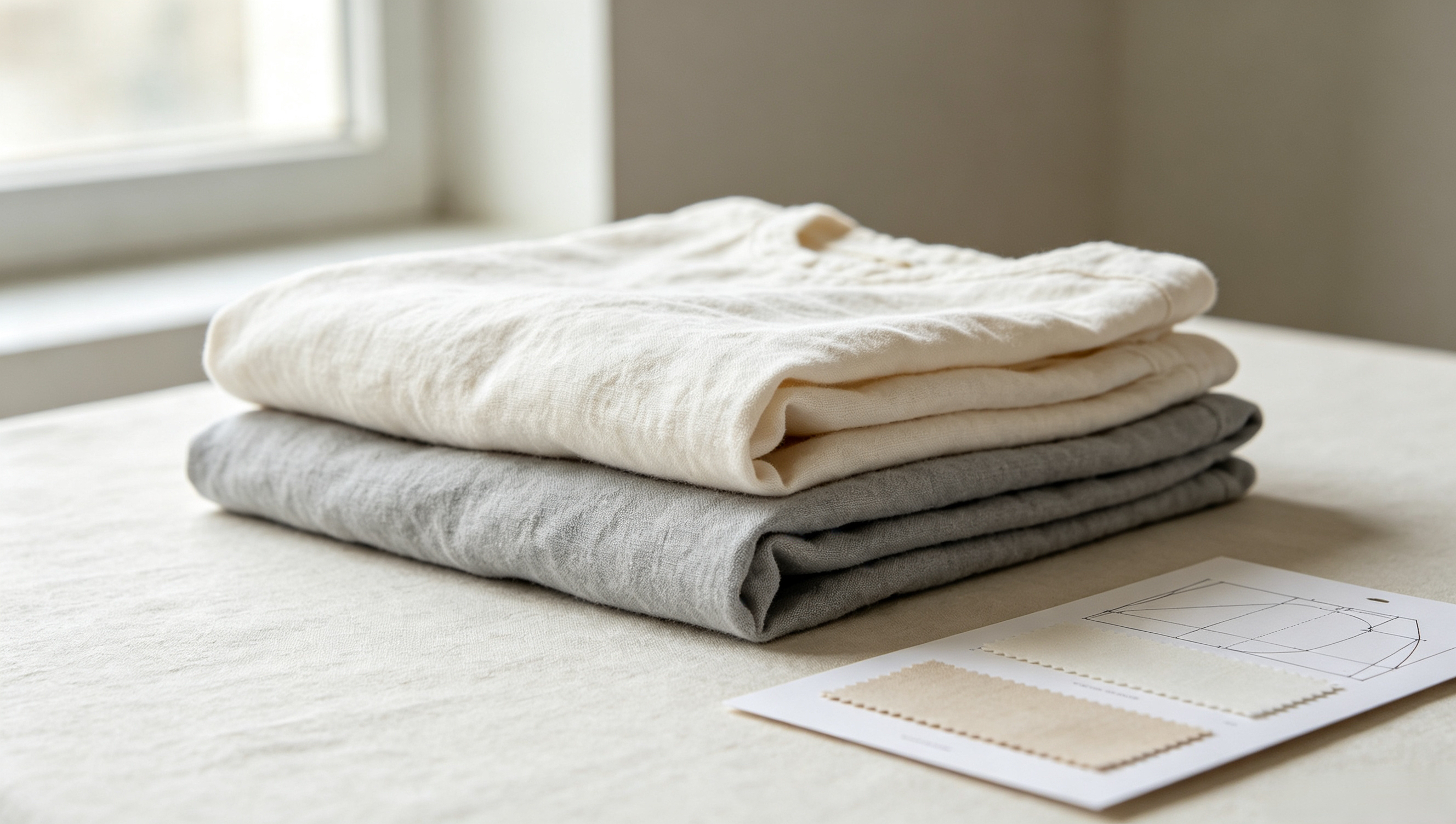
3. Down Cotton
Also named silk cotton or hollow cotton, down cotton is processed from multi‑specification ultra‑fine fibers. It imitates the soft touch of real down. Lightweight and supple with uniform fiber distribution, it provides outstanding thermal performance. It is anti‑deformation, fiber‑leak‑proof and free of hard impurities.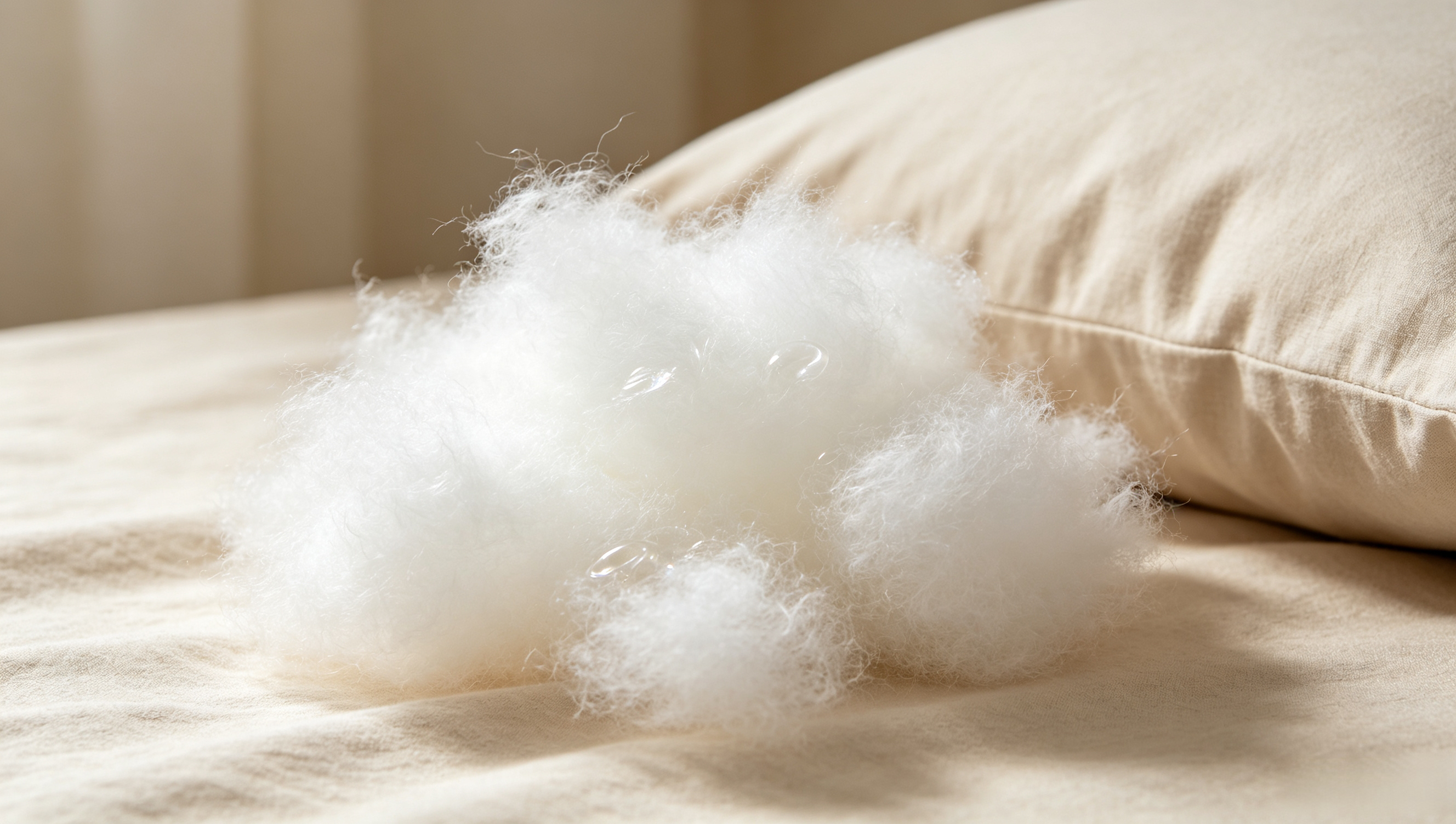
4. Plastic Pellets
Small plastic pellets help plush toys hold sitting or standing poses. Denser than cotton fillings, pellets are normally placed in bases or feet to lower the center of gravity and keep toys stable on flat surfaces.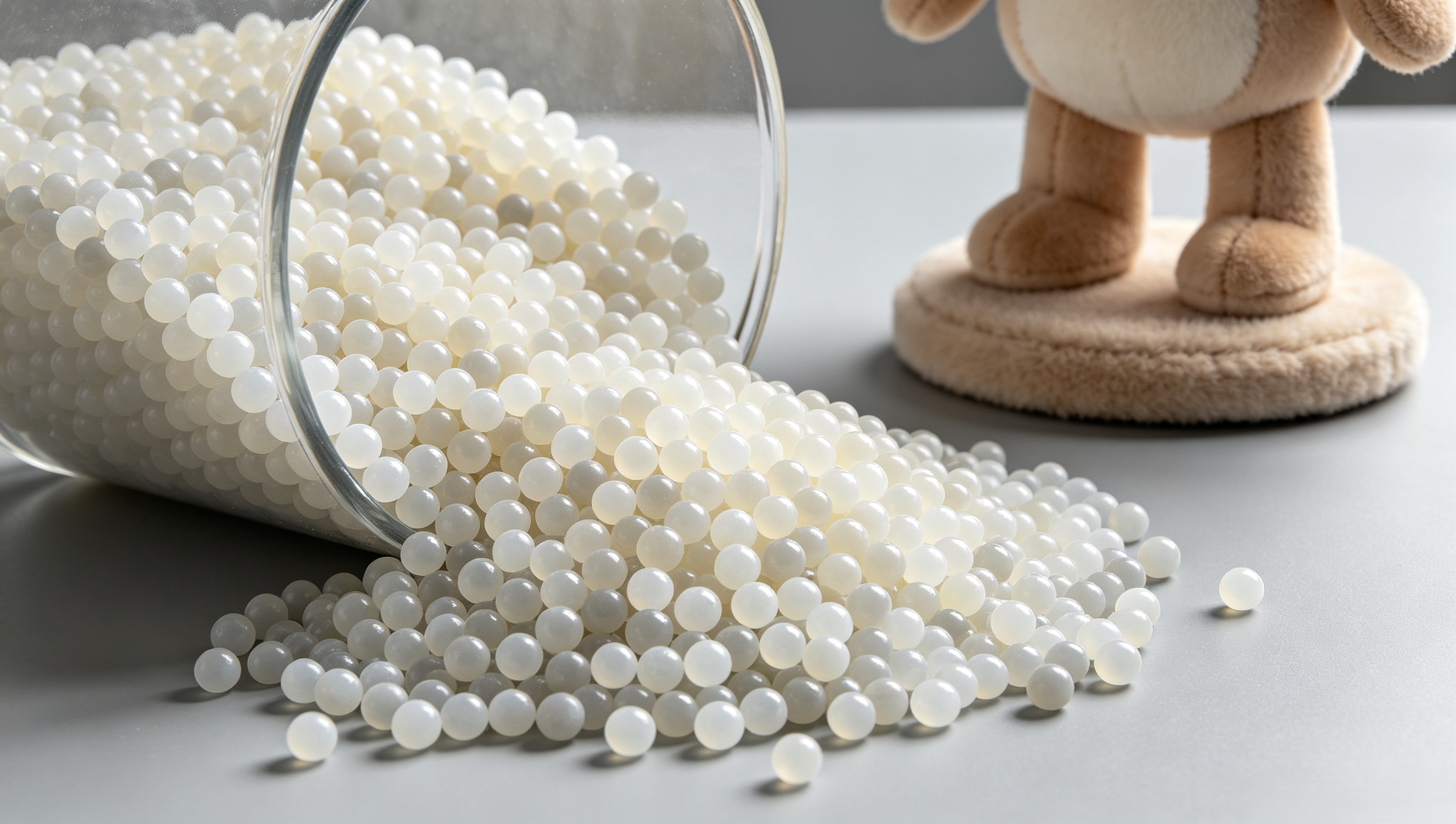
5. Foam Beads
Foam beads, also known as snow beans, are high‑polymer materials with great cushioning and shock‑absorbing performance. Lightweight and resilient, they absorb and disperse external force through deformation. Compared with conventional foam, foam beads are durable, shape‑retaining and ideal for plush pillows and cushions.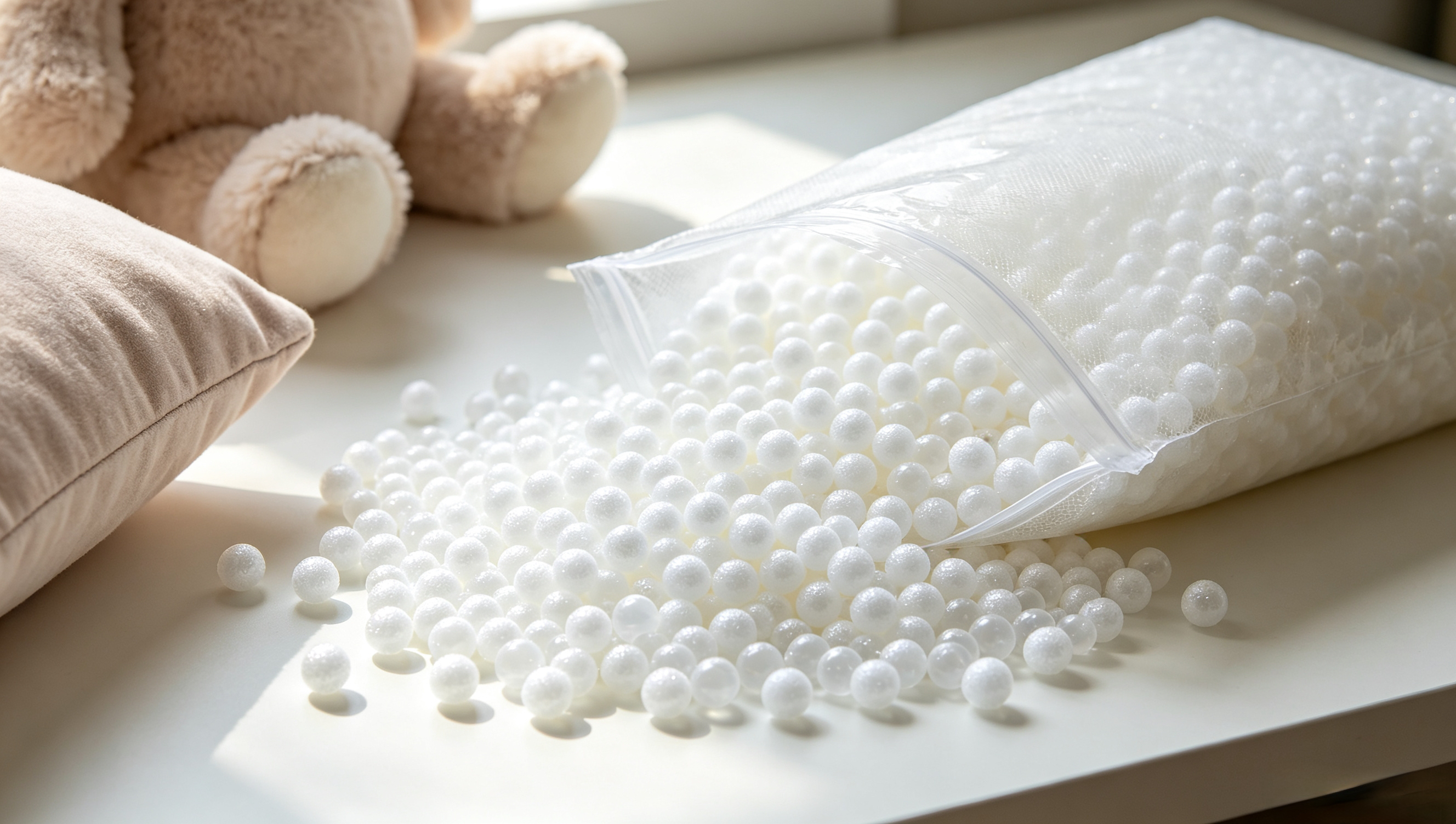
Thank you for reading. Provided by Demeng Toy, this article summarizes plush‑toy production workflows and stuffing options. Part of the information is compiled from online sources for reference only. For further inquiries about custom toy manufacturing, please get in touch with us. We are ready to support your project.
快速导航
联系我们

关注我们

